
Can I sell food from my home kitchen on DoorDash or Uber Eats?
Usually not. DoorDash says virtual brands may not operate from residential kitchens, including those with Cottage Food permits, and Uber Eats requires a health department permit for a food service establishment. Home sellers use Instagram and their own ordering page instead. Instagram takes photos 1080 pixels wide from 1.91:1 to 3:4, and Square recommends 2000 x 2000.

Su Lee · Founder, MenuPhotoLab
7 min read · Sources last read · 17 sources
On this page · 6 sections
Read in another language
Can a home kitchen sell on DoorDash, Uber Eats or Grubhub?
Not in the usual sense of being listed on the app. The one place DoorDash names home kitchens is its rules for virtual brands, the delivery-only brands that are the closest fit for a business with no storefront. It excludes them in so many words.
Virtual brands must obtain the required licenses and operate out of a licensed commercial kitchen. Virtual brands are not allowed to operate out of residential kitchens, including those with Cottage Food permits.
| Platform | What it publishes about the kitchen |
|---|---|
| DoorDash | Virtual brands need a licensed commercial kitchen; residential kitchens are not allowed, including with Cottage Food permits. Its general signup guide asks for business, tax and bank details and does not mention kitchen type |
| Uber Eats | A license or permit "issued by a health department or relevant government agency" that authorizes your "food service establishment to handle and serve food to the general public". A virtual restaurant must run from an existing kitchen licensed by the state to sell food |
| Grubhub | Its restaurant terms require compliance with all applicable retail food and health and safety codes. It publishes nothing on home kitchens specifically |
So the practical answer is: get into a licensed commercial kitchen first. A common next step when a business outgrows the home permit is renting time in a shared commissary kitchen, and what each app asks for from there is in the guide to selling without a restaurant. That is also the point where your photos have to meet delivery-app rules, which are set out in the ghost kitchen guide.
Sell where a home permit is enough
Instagram for being found, and an ordering page you control for taking the orders. The four places home food businesses use are below. Facebook Marketplace and TikTok Shop have rules of their own, in the guide to selling homemade food on Facebook Marketplace.
Confirm what your state and county allow
Which foods, where you may sell them, and whether online orders are allowed. Georgia and California are read from their own pages below; your county has the last word.
Shoot every item at your phone's 3:4, with room around the food
The one photo posts to Instagram uncropped, gives a centered square for Square or Shopify, and leaves space for the 16:9 the delivery apps will want later. Sizes are below.
When you outgrow the permit, rent a licensed kitchen
A shared commissary or ghost kitchen puts a licensed address on your paperwork, which is what DoorDash, Uber Eats and Grubhub actually check. The sign-up lists and the photos a new listing needs are in the guide to selling without a restaurant.
What does state law allow a home kitchen to do?
It depends entirely on your state and often your county, so treat this as a map rather than advice. Two states, read from their own agencies' pages on 2026-09-23:
Georgia, HB 398, in effect since 2025-07-01
Cottage food operators no longer need a state license, may now sell to grocery stores, restaurants and convenience stores, and cities and counties may not prohibit commercial delivery companies from delivering cottage food. That protects delivery of the food. It does not make a home kitchen eligible for a DoorDash listing, whose own rule excludes Cottage Food permits. Local business licences and zoning still apply, and the Department of Agriculture's older FAQ page still shows the pre-2025 rules while its regulations are under revision.
California, MEHKO (a microenterprise home kitchen operation)
A home restaurant in a county that allows them may list and promote itself on websites, apps and social media, but in Los Angeles County's words, "a MEHKO is not allowed to use a third-party delivery service for food deliveries." The cook or a member of the household delivers instead.
Where do home food businesses actually sell?
Instagram, for being found. Posts, stories and a link in bio. Instagram's food ordering button works only through partner ordering platforms, and the partners Meta lists for North America are restaurant ordering services and delivery apps.
Hotplate, for pre-order drops. No monthly fee; it charges the customer 5% of the subtotal plus 55 cents, and its help center says delivery by a third-party driver network, arranged through Hotplate, is available in select states.
Square Online, for a menu with pickup and payments in one place, and a POS if you also sell at markets.
Shopify, for shelf-stable goods shipped or picked up, such as cookies, sauces and baking mixes, where your state allows it.
Castiron, a storefront for home bakers, was acquired by T.D. Jakes Enterprises in November 2024. Before moving customers to any platform, confirm it is still operating and read its current terms.
If what you sell is meal prep, weekly containers rather than single dishes, the delivery apps fit differently again: they take one scheduled order at a time and none describes a weekly plan. The meal prep guide sets out what each app publishes and where the weekly orders go.
Example, not a customer
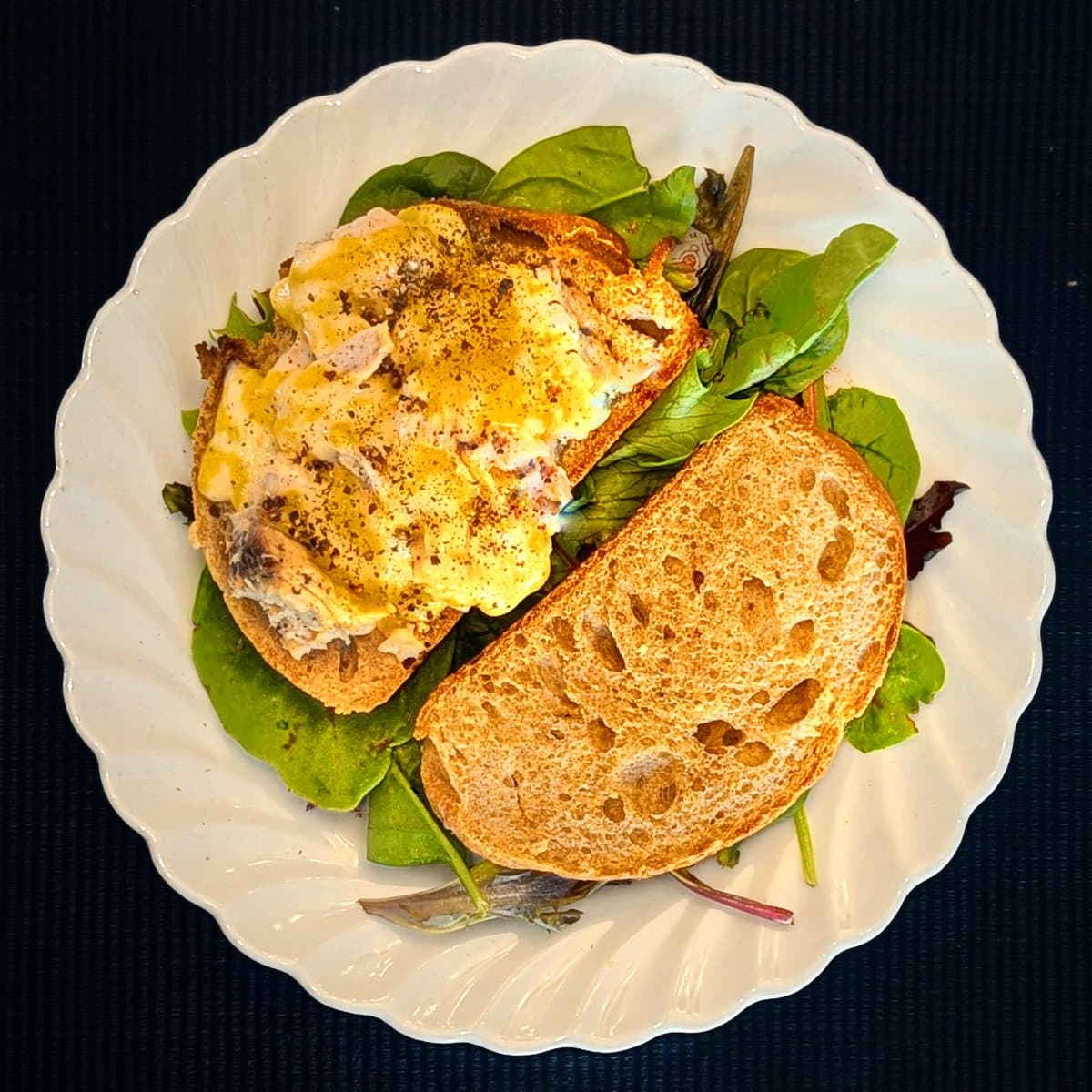
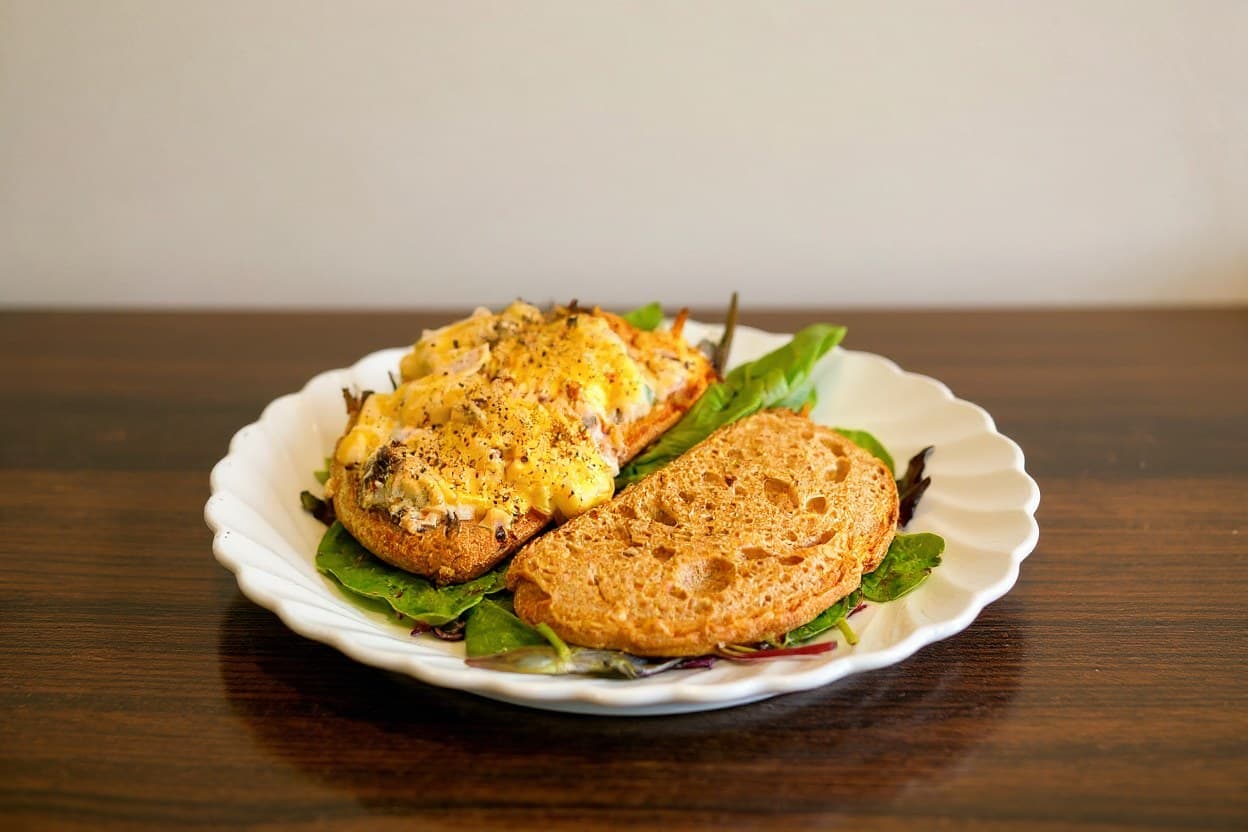
Your Instagram grid is your menu now
Upload the phone photos you already post. MenuPhotoLab fixes the light and background without changing the food, and gives you the 3:4 for Instagram and the square that Square and Shopify ask for, from the same shot.
Before
After
The perfect poster for our brand. Thank you for such a beautiful piece for our social media.
5 photos free · No credit card · No watermark
What photo sizes do Instagram, Square and Shopify want?
| Where | What it publishes | Read |
|---|---|---|
| Instagram feed | At least 1080 pixels wide, aspect ratio between 1.91:1 and 3:4, which is 1080 x 566 up to 1080 x 1440. Other ratios are cropped to fit | 2026-09-23 |
| Square item photos | At least 2000 x 2000 pixels, 1:1, up to 15 MB, in JPG, JPEG, PNG or GIF | 2026-09-23 |
| Shopify product photos | For square images, 2048 x 2048 usually displays best. Up to 5000 x 5000 pixels and under 20 MB | 2026-09-23 |
| Hotplate item photos | No size or ratio published. It asks only for "a delicious photo"; the logo should be a horizontal PNG with a transparent background | 2026-09-23 |
What this means if you sell in more than one place
A square is the one shape all three take
Instagram accepts 1:1 inside its range, and Square and Shopify both recommend it. If you only export one file per item, make it a 2048 x 2048 square.
Shoot at your phone's default 3:4, with room around the food
Instagram now shows it as shot, and a centered square comes out of it without cutting the dish.
Plan for landscape if a commercial kitchen is in your future
DoorDash wants 16:9 and Uber Eats between 5:4 and 6:4. Photos shot tight in portrait will not crop to those, so leave space on the sides of the plate now.
Light beats the camera
A window at your side, no overhead kitchen light, no flash. The common failures are covered in the guide to dark and yellow food photos.
I started MenuPhotoLab for restaurants on the delivery apps, and the same work helps home kitchens: you take the photo on your phone, and MenuPhotoLab fixes the lighting, color and background and prepares the sizes for Instagram, your ordering page and, when you get there, every delivery app. I never generate food or change what is on the plate, because what you post has to be what your customer receives.
Frequently asked questions
Can I sell homemade food on DoorDash?
Not as a virtual brand. DoorDash's virtual brand requirements say brands must operate from a licensed commercial kitchen and are not allowed to operate from residential kitchens, including those with Cottage Food permits. Its general signup guide does not address kitchen type, so ask DoorDash before assuming any other listing is open. The usual route is renting time in a licensed commissary kitchen, at which point DoorDash's normal photo and menu rules apply.
Can a cottage food business use Uber Eats?
Uber Eats asks for a license or permit issued by a health department or relevant agency that authorizes a food service establishment to handle and serve food to the general public, and says a virtual restaurant must run from a kitchen licensed by the state to sell food. It publishes no route for cottage food permits, so check with Uber before assuming yours qualifies.
Can a California MEHKO use DoorDash or Uber Eats?
Not for delivery. Los Angeles County's MEHKO guidance says a MEHKO is not allowed to use a third-party delivery service, and the food must be delivered by the operator or a member of the MEHKO, with an exception for customers with a disability. A MEHKO may still list and promote itself on websites, apps and social media.
What size should an Instagram food photo be?
1080 pixels wide, with an aspect ratio between 1.91:1 and 3:4, so between 1080 x 566 and 1080 x 1440, according to Instagram's help center read 2026-09-23. A 3:4 portrait, the default on most phones, now posts uncropped. Older guides that stop at 4:5 and 1350 pixels are out of date.
What photo size does Shopify recommend for food products?
Shopify's help center says a square image of 2048 x 2048 pixels usually displays best, and it accepts images up to 5000 x 5000 pixels and under 20 MB. A square also works for Square's item library, which recommends at least 2000 x 2000, and sits inside Instagram's accepted range.
Keep reading
- Can I sell homemade food on Facebook Marketplace?Social selling
- Can I sell meal prep on DoorDash or Uber Eats?Meal prep
- What is a virtual brand on DoorDash, and what photos does it need?Ghost kitchens
- What are Square's menu photo requirements?Square
- Which spec do you follow when a platform publishes two?All platforms
- Why do my restaurant food photos look dark and yellow?Lighting
- What menu photos does a food truck need on DoorDash and Uber Eats?Food trucks
- Can a bakery sell on DoorDash and Uber Eats?Bakeries

Su Lee
Founder, MenuPhotoLab · Atlanta, Georgia
I have photographed Atlanta restaurants for six years as a food creator, and for the last two my sister and I have run SocialLee Agency, shooting and uploading menus for independent restaurants around metro Atlanta.
Sources (17, each with the date it was read)
- DoorDash Help Center, Virtual Brand Quality Requirements Overview (residential and Cottage Food exclusion, quoted), read
- DoorDash for Merchants, Get started on DoorDash (signup requirements), read
- Uber Help, Food licensing requirements (JavaScript-rendered page), read
- Uber Help, Creating a virtual restaurant (JavaScript-rendered page), read
- Grubhub, Restaurant terms and conditions (health code compliance), read
- Georgia Department of Agriculture, Cottage Food Update: HB 398 FAQ (PDF), read
- Georgia Department of Agriculture, Cottage food FAQ (older page, pre-HB 398 rules), read
- Los Angeles County Public Health, Microenterprise home kitchen operation FAQ, read
- Instagram Help Center, photo resolution and aspect ratio (JavaScript page; read as rendered text), read
- Adam Mosseri on Threads, 3:4 photo support (May 28, 2025), read
- Instagram Help Center, food orders (partner requirement; JavaScript page), read
- Square Support, Upload images to your item library, read
- Shopify Help Center, Product media types, read
- Hotplate Help Center, Understanding Hotplate's pricing, read
- Hotplate Help Center, Delivery on Hotplate, read
- Hotplate Help Center, How to create and manage menu items, read
- PR Newswire, T.D. Jakes Enterprises acquires Castiron (November 21, 2024), read
Platform requirements change. This page carries the date each source was last checked. Self-serve prices are on the pricing page.
Not affiliated with DoorDash, Uber Eats, Grubhub, Instagram, Square, Shopify, Hotplate.